Tips for Playing Golf in Different Weather Conditions
Golf is a game that demands precision, patience, and adaptability. While many golfers spend countless hours refining their swing or mastering putting techniques, the weather often proves to be an equally formidable opponent. Rain, wind, heat, and even frost can dramatically change the way the ball behaves and challenge even the most seasoned players. Understanding how to adjust your game to different weather conditions can make the difference between a frustrating round and a successful day on the course.
Understanding the Impact of Weather on Golf
Before exploring specific strategies, it’s essential to appreciate how weather influences the game. Each element—be it wind, rain, or extreme temperatures—affects the ball’s trajectory, the roll on the greens, and even your own stamina and focus. Wind can carry a perfectly struck shot off course, rain can reduce traction on both the fairway and greens, and heat or cold can impact muscle performance and energy levels. Recognizing these factors allows golfers to make smarter decisions, from club selection to shot execution.
Playing in Windy Conditions
Wind is one of the most challenging weather conditions for golfers. Even a gentle breeze can alter the flight of the ball, while strong gusts require careful calculation and adaptability. The key to managing windy conditions lies in control and understanding the wind’s direction relative to your target. A headwind will reduce distance, so consider using a stronger club or adjusting your swing to lower the trajectory. A tailwind can extend distance but might also affect stopping power on the greens, necessitating a softer approach. Crosswinds are particularly tricky, demanding precise alignment and compensation to ensure your shot lands where intended. Experienced golfers often recommend keeping the ball flight low and controlled, as higher shots are more susceptible to wind deviation. Visualization and practice in varied wind conditions can help build confidence and improve shot accuracy.
Strategies for Rainy Days
Playing in the rain brings its own set of challenges, from reduced visibility to slippery terrain. Wet conditions can affect grip, swing mechanics, and even the roll of the ball. One critical adjustment is club selection. Balls will generally not travel as far in wet conditions due to reduced roll and resistance in the air, so you might need to choose a stronger club to reach your target. Additionally, the greens become slower and more receptive, which requires a softer touch on approach shots. Proper clothing and equipment are equally important. Waterproof gloves, rain-resistant outerwear, and golf umbrellas help maintain comfort and focus. Adapting your stance for stability on slick surfaces ensures safety and allows more controlled swings. Embracing these modifications can turn a potentially frustrating rainy round into an opportunity to refine skill under challenging conditions.

Coping with Extreme Heat
High temperatures can drain energy and test endurance, affecting both physical performance and concentration. Staying hydrated is paramount, as dehydration leads to fatigue and reduced focus. Light, breathable clothing helps regulate body temperature, and wearing a hat or visor provides shade and reduces glare. The heat also affects the ball, causing it to travel slightly further, which may necessitate adjustments in club choice or swing speed. In extreme heat, it is wise to pace yourself, taking breaks between shots and maintaining energy with light snacks. Mental resilience plays a crucial role; hot conditions can amplify frustration, so remaining calm and deliberate in decision-making is key. Players who anticipate and manage the challenges of heat are better equipped to maintain consistent performance throughout the round.
Adjusting to Cold Weather Golf
Cold weather presents the opposite challenge of extreme heat. Muscles tighten, ball flight is reduced, and greens may become firmer or frozen, affecting roll. Dressing in layers allows for flexibility and ensures warmth without restricting movement. Gloves designed for colder conditions can maintain grip without compromising feel, and pre-round stretching becomes even more important to avoid injury. In cold weather, it is often necessary to select a stronger club to compensate for reduced distance, as the ball loses velocity in dense, cold air. Patience and focus are essential, as slower greens and tougher conditions can test concentration. Golfers who embrace slower pacing and adapt to the cold often find satisfaction in mastering rounds that many might find uncomfortable or challenging.
Navigating Fog and Reduced Visibility
Foggy conditions limit visibility, making course navigation and shot execution more difficult. When playing in fog, cautious decision-making is essential. Choose targets that are clear and visible rather than attempting risky shots into the unknown. Reduced visibility requires heightened attention to club alignment and ball positioning, as traditional visual cues may be obscured. Adjusting expectations and playing conservatively can prevent unnecessary mistakes. Fog also softens the visual contrast on greens, so carefully reading breaks and slopes becomes even more critical. Maintaining a calm and focused mindset ensures that foggy conditions do not compromise the quality of your game.
Playing in Humidity and Moist Conditions
High humidity affects both player comfort and ball performance. Moisture in the air can slightly increase air resistance, reducing the distance the ball travels. Sweat and damp grips can also affect control, so players must manage their equipment accordingly. Using towels to dry hands and grips, along with frequent hydration, helps maintain consistency. In addition to physical adjustments, humid conditions require mental adaptability. Focus on controlled swings and consistent tempo rather than power, as exertion can lead to fatigue faster in moist, oppressive conditions. Golfers who develop strategies for maintaining comfort and precision in humidity are better equipped to perform reliably across diverse climates.
Dealing with Snow and Frost
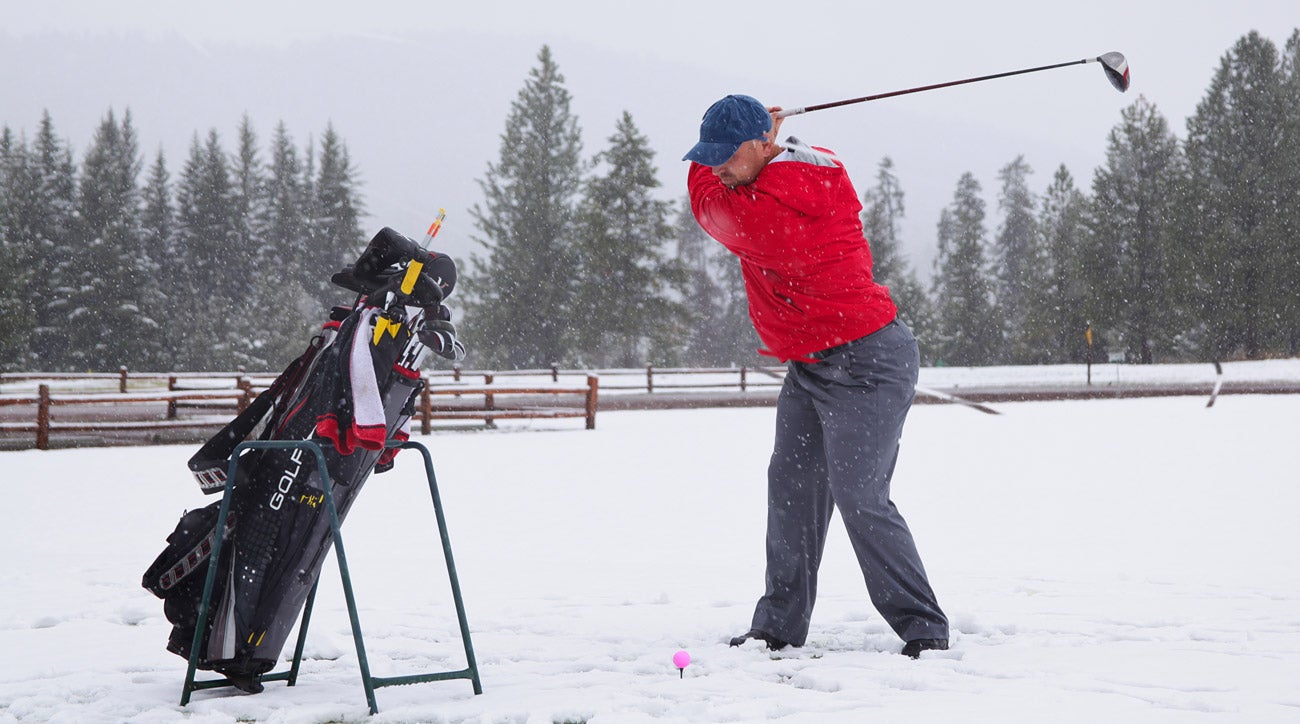
While less common, playing golf in snow or frost introduces unique challenges. Frosted greens and fairways reduce ball roll and require careful footing to avoid slips. Snow can obscure hazards, making course management a priority. In these conditions, precision and patience take precedence over distance. Adjusting your stance for stability, selecting appropriate footwear, and using more lofted clubs to maintain shot control are all vital. Winter golfing also demands resilience, as slower rounds and colder conditions test both patience and stamina. For those willing to embrace the challenge, snow and frost offer an opportunity to enhance skills under conditions that demand creativity and strategy.

Equipment Considerations in Different Weather
Adapting equipment for weather conditions can significantly impact performance. Wet or cold conditions may require specific gloves to maintain grip and tactile feedback. Ball selection also plays a role; some balls perform better in cold weather or wet conditions, providing more distance or control as needed. Proper footwear is essential across conditions, with spiked or waterproof shoes providing stability in rain, frost, or snow. Keeping clubs clean and dry ensures consistent strikes, while carrying extra towels and gloves allows quick adjustments during the round. Understanding how equipment interacts with weather allows golfers to make small but impactful changes that preserve performance.
Mental Strategies for Weather Challenges
While physical adaptations are essential, mental resilience is equally crucial when facing challenging weather. Adverse conditions can amplify frustration, impatience, or loss of focus, which can derail even a technically sound game. Developing a strong pre-shot routine, maintaining realistic expectations, and focusing on controllable aspects of the game—like swing mechanics and course management—help reduce stress. Visualization techniques can prepare golfers for variable conditions, allowing them to anticipate how the ball may behave and make confident decisions. Successful golfers often view difficult weather as an opportunity to test skill and creativity rather than as a setback, turning potential obstacles into growth experiences.
Course Management Adjustments
Different weather conditions often demand a change in overall course management. Windy or wet conditions may necessitate playing shorter, safer shots instead of aiming for maximum distance. In heat or humidity, pacing and hydration strategies become integral to sustaining energy. Snow or frost may require altering your approach to hazards and green reads. By anticipating how the weather affects both the ball and the terrain, golfers can make informed decisions that reduce risk and enhance scoring opportunities. Flexibility and adaptability in strategy allow players to maintain control over outcomes, even when the elements are unpredictable.
Preparing Physically for Variable Conditions
Physical preparation is another crucial component of successful golf in diverse weather. Stretching before a round warms muscles, increases flexibility, and reduces the risk of injury, especially in cold or extreme conditions. Conditioning and strength training improve stamina and resilience, allowing golfers to maintain performance despite fatigue or challenging weather. Hydration and nutrition planning support energy levels in heat or humidity, while layering and proper clothing protect against cold or wet conditions. Golfers who approach the game with a holistic perspective—balancing physical readiness with technical skill—are better equipped to perform consistently across all weather scenarios.
Embracing the Challenge of the Elements
Ultimately, learning to play golf in different weather conditions is about adaptability, patience, and strategy. Every round presents an opportunity to refine skills, whether it’s adjusting for wind, mastering the soft roll of rainy greens, or pacing oneself in the heat. The weather can be unpredictable, but golfers who approach each condition with preparation, knowledge, and a flexible mindset often discover new dimensions of their game. Embracing the challenge rather than resisting it transforms weather from an obstacle into a dynamic aspect of the sport, making each round more rewarding.