Getting Started with Golf: Understanding the Basics
Golf is a sport that balances precision, patience, and practice. For beginners, stepping onto the course for the first time can feel both exciting and overwhelming. The key to a successful start is understanding the essential equipment needed to play the game comfortably and effectively. Unlike some sports that require minimal gear, golf involves a range of equipment designed to enhance your performance while ensuring safety and convenience. Knowing what to invest in first can save you money and help you build a solid foundation for your golfing journey.
When approaching golf as a beginner, it’s important to recognize that not every piece of equipment is necessary from day one. Starting with the basics allows you to focus on improving your skills and gaining confidence on the green. Over time, as your abilities progress, you can gradually expand your collection and explore specialized gear that complements your unique playing style.
Choosing the Right Golf Clubs
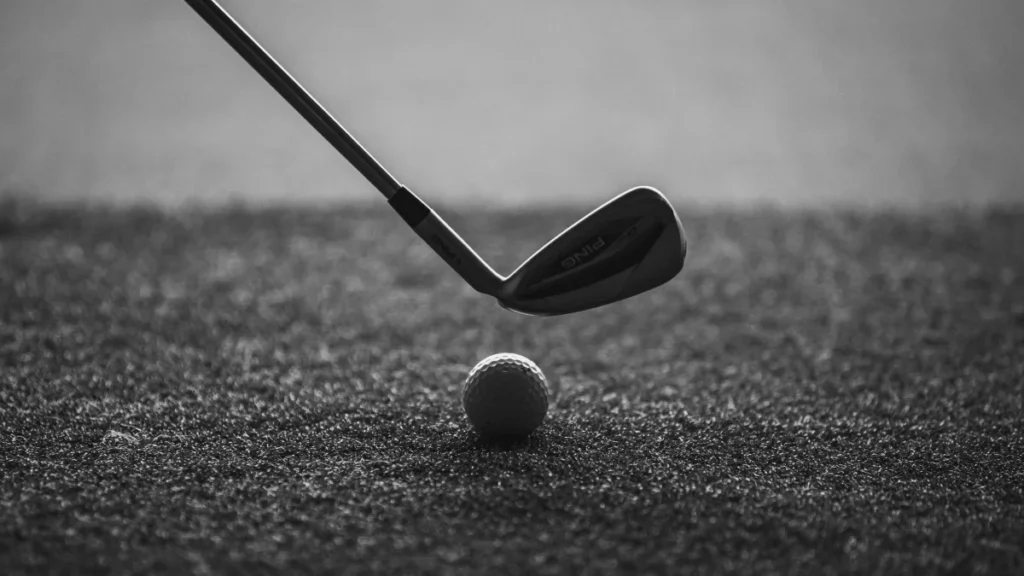
The most fundamental aspect of golf equipment is the club set. Clubs come in various shapes and sizes, each designed for a specific type of shot. For beginners, it’s best to start with a half set or a basic full set that includes a driver, a few irons, a wedge, and a putter. These clubs are sufficient to cover the most common shots you’ll encounter on a course, from long drives to short approaches and putting on the green.
Selecting the right clubs involves considering factors like your height, strength, and swing style. Beginners often benefit from clubs with larger clubheads and forgiving sweet spots, as these designs help reduce mishits. Additionally, the shaft material—graphite or steel—affects the club’s weight and flexibility. Graphite shafts are lighter and easier to swing, making them ideal for beginners who are still developing strength and technique.
Many beginners wonder whether to invest in custom-fitted clubs. While custom fitting can improve performance, it’s not strictly necessary at the start. Standard beginner sets are usually sufficient and offer a good balance of quality and affordability. As your game improves, you may choose to explore custom options for enhanced comfort and precision.
Understanding Golf Balls
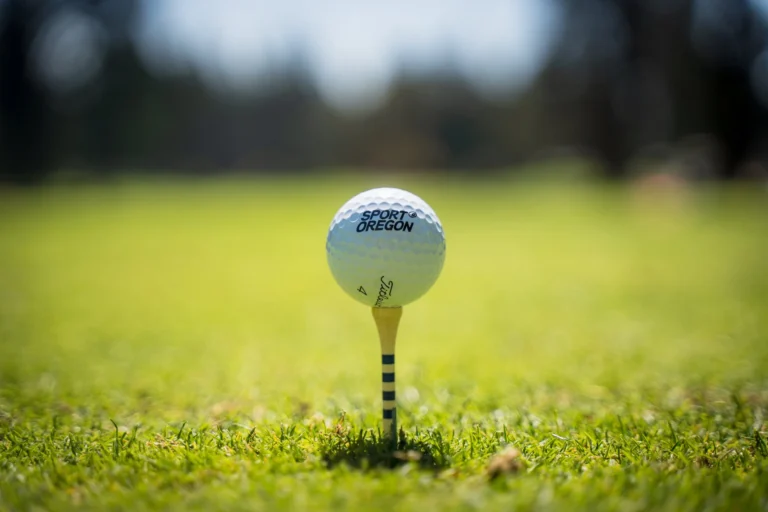
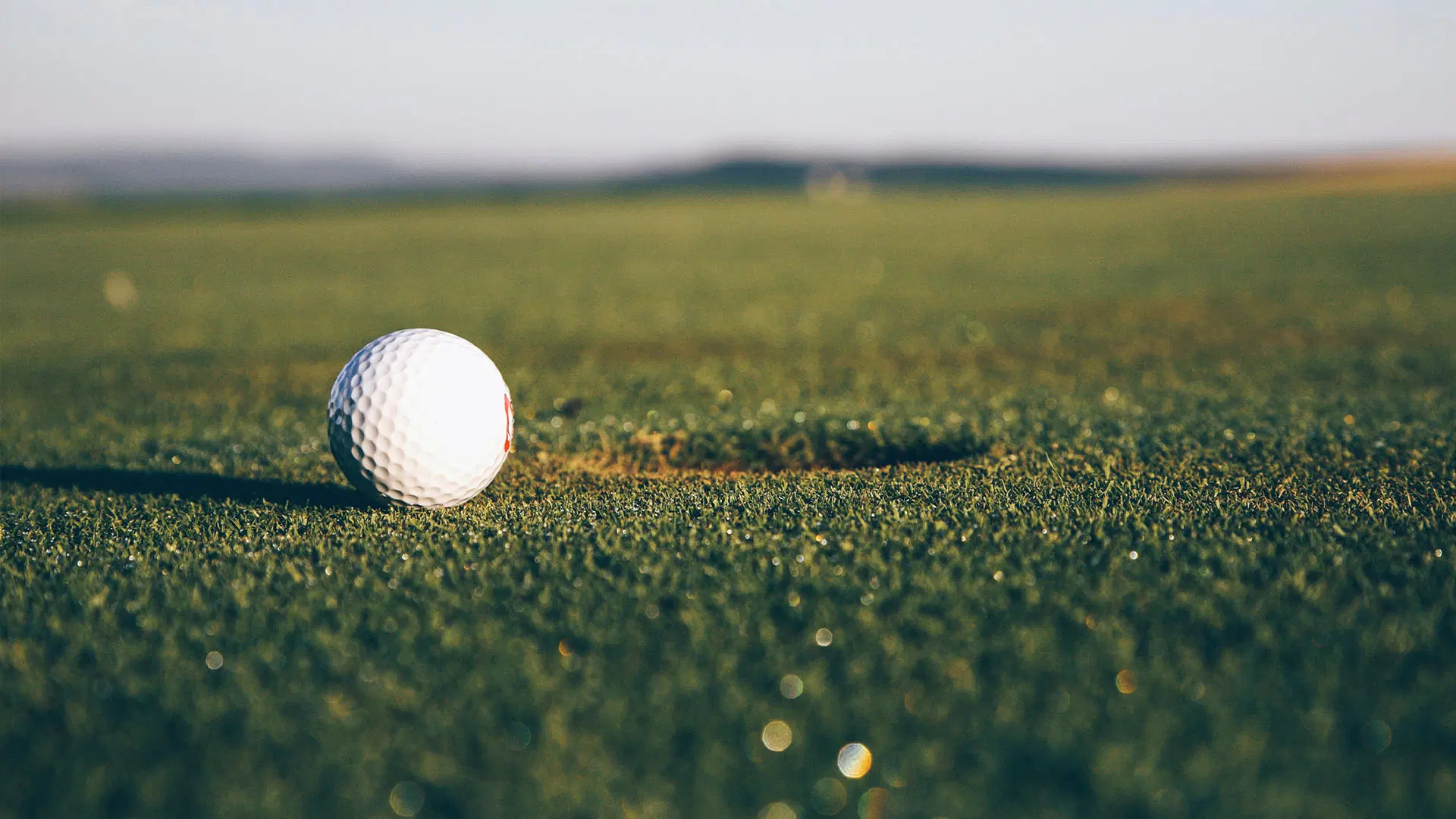
A golf ball is more than just a small white sphere; it is a critical component that influences distance, spin, and control. For beginners, it’s wise to choose balls that prioritize forgiveness over advanced features. Golf balls with a softer cover provide a better feel and reduce the chances of slicing or hooking the ball on errant shots.
Durability is another important consideration. Beginners may lose balls frequently, so investing in high-end, tour-quality balls is unnecessary at this stage. Affordable, durable balls are ideal for practice sessions and casual rounds. As you gain experience and refine your swing, you can explore balls that offer more spin control and distance optimization.
The design of the ball’s dimples also affects performance. Balls with shallow dimples travel farther and are easier to control, making them suitable for players who are still developing consistency in their swing. Understanding the type of ball that matches your current skill level can significantly enhance your confidence on the course.
Golf Bags and Carrying Equipment
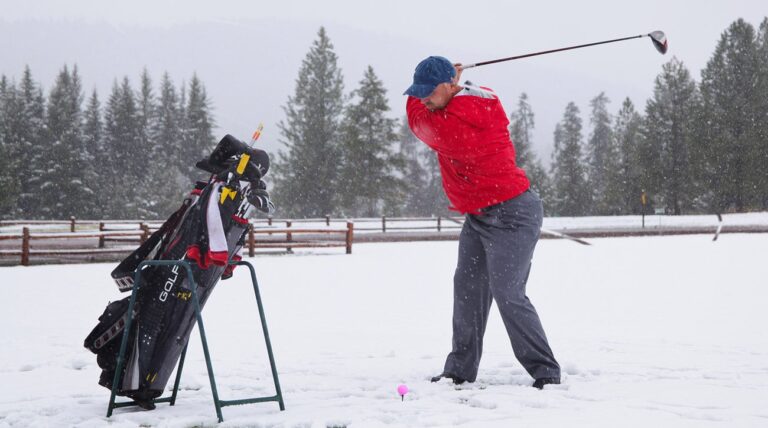
A golf bag is essential for keeping your clubs organized and transporting them around the course. Beginner golfers should focus on lightweight and easy-to-carry bags, especially if they plan to walk the course. Stand bags with built-in legs are popular among beginners, as they allow you to set the bag down anywhere while keeping clubs accessible.
Beyond the clubs, golf bags often include compartments for balls, tees, gloves, and personal items like water bottles and snacks. A well-organized bag ensures that everything you need is within reach, reducing stress and helping you stay focused on your game. Some bags also feature cushioned straps and ergonomic designs that distribute weight evenly, preventing fatigue during long rounds.
For those who prefer convenience, push carts or trolleys are available as alternatives to carrying the bag. These carts allow you to glide around the course with minimal effort and are particularly useful for beginners who are still building stamina. Choosing the right carrying method can enhance your overall golfing experience and allow you to concentrate on improving your swing rather than managing equipment.
Golf Gloves and Grip
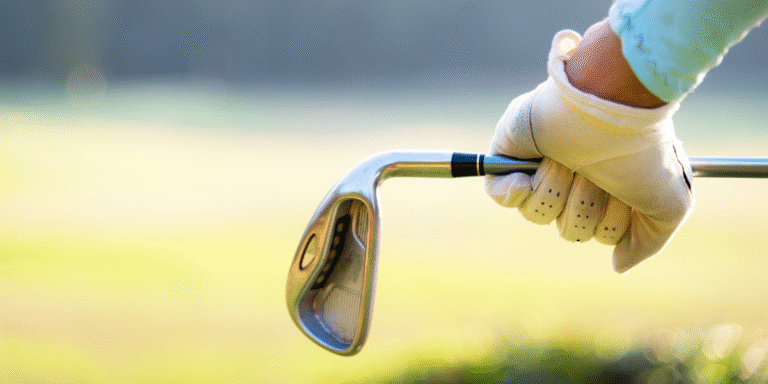
While it may seem like a minor accessory, a golf glove can significantly impact your grip and swing control. Wearing a glove on your lead hand—left hand for right-handed players, right hand for left-handed players—helps prevent the club from slipping during your swing. It also reduces friction and minimizes the risk of blisters or calluses during practice sessions.
Selecting the right glove involves finding the correct size and material. Gloves made of synthetic leather are durable and perform well in various weather conditions, while natural leather gloves provide a softer feel and superior grip in dry conditions. Some beginners may prefer to experiment with both types to determine which suits their comfort and performance needs.
In addition to gloves, ensuring your club grips are in good condition is crucial. Worn-out grips can make it difficult to maintain proper control, leading to inconsistent shots. Many beginner sets come with pre-installed grips that are sufficient for initial rounds, but keeping an eye on their condition and replacing them as needed can prevent frustration and improve confidence on the course.
Apparel and Footwear for Beginners
Golf requires a combination of mobility, comfort, and adherence to course etiquette, which makes proper apparel essential. Most golf courses have dress codes that favor collared shirts, tailored shorts or pants, and appropriate shoes. Wearing clothes that allow freedom of movement is critical, as a restricted swing can affect your accuracy and distance.
Footwear is particularly important, as golf involves a lot of walking on varied terrain. Beginner golfers should invest in shoes with good traction, stability, and waterproofing. Golf shoes with soft spikes or spikeless designs offer grip without damaging greens, and they help prevent slipping during swings. Comfortable shoes also reduce fatigue and allow you to focus on technique rather than discomfort.
Weather considerations are also part of apparel planning. Lightweight, breathable fabrics are ideal for hot climates, while layered clothing works best in cooler conditions. Many beginner golfers find that investing in a few versatile pieces that can adapt to different weather conditions enhances both performance and enjoyment on the course.
Accessories That Improve the Game
While clubs and balls form the foundation of your equipment, certain accessories can enhance practice and learning. A rangefinder or GPS device helps beginners estimate distances accurately, making club selection easier and more consistent. Although not essential at the start, these tools can accelerate skill development by providing precise feedback on shots.
Tee markers, ball markers, and divot repair tools are standard accessories that help maintain course etiquette and ensure a smoother playing experience. Keeping these items in your bag fosters good habits early on, which is beneficial for both personal improvement and social aspects of the game.
Another helpful accessory is a practice net or hitting mat. These allow you to work on swing mechanics and accuracy in a controlled environment, reducing pressure during actual rounds. Beginners who dedicate time to practice outside of the course often progress faster and enjoy the game more fully.

Budget Considerations for Beginners
Starting golf can feel like a significant investment, but it’s possible to build a functional setup without overspending. Beginners should focus on acquiring quality basics rather than splurging on premium gear. Many brands offer affordable starter sets that include clubs, bags, and essential accessories, providing a balanced entry into the sport.
Purchasing second-hand or demo clubs is another way to save money while still accessing high-quality equipment. Golf shops often carry gently used clubs that perform well for beginners and allow for future upgrades as skill levels improve. This approach minimizes financial pressure while still enabling a serious commitment to the game.
It’s also worth noting that investing in lessons or practice time may provide better returns than purchasing the most expensive equipment initially. Learning proper technique and understanding fundamental strategies lays the foundation for long-term enjoyment and success in golf.
The Importance of Practice Equipment
Beyond the course, certain practice tools can accelerate learning and build confidence. Training aids such as putting mats, swing trainers, and alignment sticks help beginners develop muscle memory and correct posture. Practicing at home or in designated practice areas allows for repeated, focused practice without the stress of on-course performance.
Additionally, practicing with a range of balls and clubs can help you understand how different equipment affects your shots. Experimenting in a controlled setting teaches beginners how to adapt to various conditions and develop a consistent approach. Over time, this familiarity becomes invaluable when transitioning to full rounds on the course.
Building Confidence with the Right Equipment
One of the biggest challenges for beginner golfers is building confidence. The right equipment plays a significant role in this process. When clubs feel comfortable, balls respond predictably, and accessories support performance, beginners are more likely to enjoy the game and maintain motivation. Confidence grows as skill improves, but initial comfort with equipment provides a crucial starting point.
Confidence also comes from preparation. Having a well-equipped bag, properly fitted clubs, and suitable attire reduces distractions and allows beginners to focus entirely on learning the mechanics of golf. This mental clarity is just as important as physical skill in establishing a positive and lasting relationship with the sport.
Transitioning from Beginner to Intermediate
As beginners develop skills and gain experience, the equipment journey evolves. Players may begin exploring more specialized clubs, experimenting with different types of balls, and investing in advanced accessories. Understanding the fundamentals of beginner equipment ensures that these transitions are informed and purposeful, rather than impulsive.
Maintaining a balance between investment and skill development is key. Upgrading equipment should align with tangible improvements in play, ensuring that new gear enhances rather than complicates the learning process. With a strong foundation, beginners can confidently move toward intermediate levels, fully equipped for new challenges and opportunities on the course.