
Golf Course Design: What Makes a Great Golf Course?
Golf is more than just a sport; it is an art form where the landscape becomes a canvas and the course architect is the artist. The allure of golf lies not only in the challenge it presents but also in the aesthetic and strategic depth of the course itself. A great golf course seamlessly blends beauty, strategy, and playability, offering a memorable experience to every golfer, whether a beginner or a seasoned professional. Understanding what goes into designing such a course requires examining several critical elements, from terrain and layout to sustainability and visual appeal.
The Role of Natural Landscape in Golf Course Design
A golf course begins with the land itself. The natural landscape forms the foundation upon which every hole is built, and the most memorable courses are those that respect and highlight the existing terrain. Rolling hills, mature trees, water bodies, and natural slopes all contribute to the uniqueness of a course. Skilled architects work with these features rather than against them, integrating natural elements into the layout to create strategic challenges and aesthetic interest.
Topography is critical because it influences how golfers approach each shot. Elevation changes can add complexity, turning a simple par-three into a test of precision and judgment. Water hazards and sand traps, when positioned thoughtfully within the natural contours of the land, demand careful shot planning without feeling forced or artificial. A well-designed course feels organic, with each hole flowing naturally from one to the next, giving players a sense of connection to the environment.
Strategic Design and Shot Making
A hallmark of great golf course design is strategic thinking. Courses that challenge golfers intellectually tend to be more engaging than those that rely solely on distance or difficulty. Strategic design incorporates multiple options for approaching a hole, rewarding smart decision-making and penalizing risky plays. This dynamic ensures that players of varying skill levels find the course rewarding and challenging in their own ways.
Bunkers, water hazards, and doglegs are not just obstacles; they are tools for strategy. A bunker placed in a seemingly innocuous location can influence club selection and force golfers to carefully consider each shot. Similarly, water hazards that frame the landing zone require judgment and precision, enhancing the mental aspect of the game. Strategic design also includes varying green shapes and sizes, providing a balance between accessibility and challenge that keeps players engaged throughout the round.
The Importance of Flow and Routing
Flow and routing are often underestimated aspects of golf course design, yet they play a significant role in the enjoyment of the game. Good routing ensures that the course feels cohesive and logical, with holes progressing naturally in difficulty and character. A poorly routed course can leave players feeling disoriented or fatigued, with long walks between holes and repetitive layouts diminishing the overall experience.
Effective routing takes into account not only the sequence of holes but also sightlines, natural obstacles, and pace of play. Signature holes are strategically positioned to create memorable moments without disrupting the overall rhythm of the course. By guiding golfers through a journey of contrasting holes—some requiring precision, others demanding power—the architect creates a sense of narrative and adventure, making each round unique and engaging.
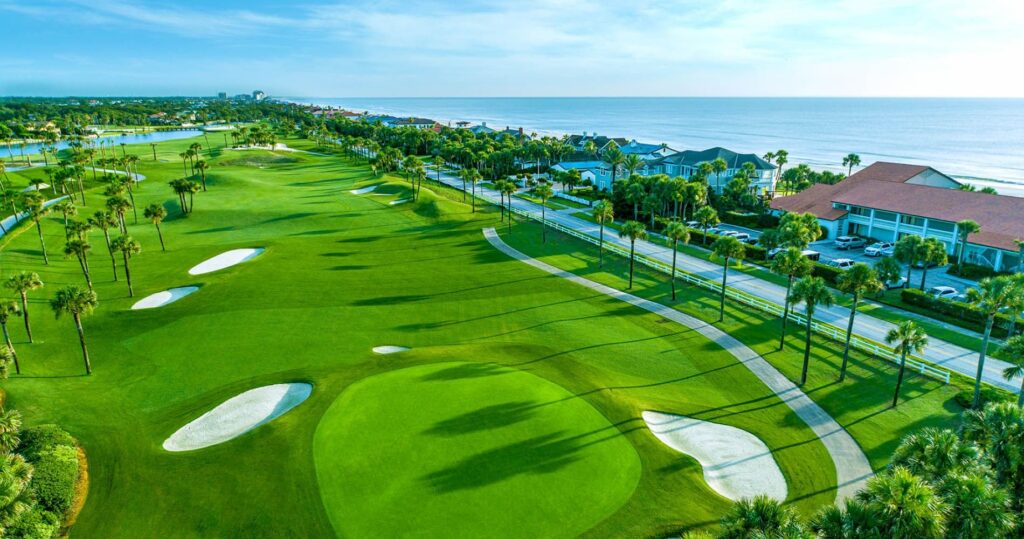
Green Complexes and Putting Challenges
The greens are arguably the most critical aspect of golf course design, as they are where skill and finesse are most tested. A well-designed green complex combines contouring, undulations, and surrounding hazards to create a challenge that is both fair and stimulating. Varied green sizes, shapes, and slopes require golfers to adapt their putting techniques, adding layers of complexity to the game.
Surrounding features, such as bunkers, run-offs, and false fronts, enhance the strategic value of greens. A bunker strategically placed short of a green can influence approach shots, while undulating slopes may funnel errant balls away or toward hazards. The goal is to make each green visually appealing and strategically demanding without being punitive, allowing golfers to enjoy the rewards of skillful play.
Integration of Aesthetic Appeal
Golf is as much a visual experience as a physical one. Courses that captivate players often feature a combination of natural beauty, thoughtful landscaping, and artistic vision. Aesthetic appeal includes more than picturesque scenery; it also involves how the course feels as a cohesive whole, from the shape of the fairways to the harmony of color, texture, and scale throughout the layout.
Trees, flowers, water features, and rock formations can create stunning visual effects while also serving strategic purposes. A winding stream may act as both a hazard and a focal point, drawing the eye and adding drama to the hole. Thoughtful landscaping can accentuate the natural terrain, creating a sense of place and identity that distinguishes the course from others. The most memorable golf courses leave players not only impressed by the challenge but also enchanted by the scenery.
Playability for All Skill Levels
A great golf course must accommodate players of varying abilities. This principle of playability ensures that beginners feel encouraged while advanced golfers remain challenged. Achieving this balance involves careful design of tees, fairways, and hazards, allowing for multiple lines of play and diverse shot options.
Multiple tee boxes provide different lengths and angles, giving beginners a fair chance to enjoy the round without compromising the challenge for skilled players. Fairways that are generous yet strategically narrow in key areas encourage thoughtful play, rewarding accuracy while permitting creativity. By designing with inclusivity in mind, architects create courses that are engaging for everyone and foster a welcoming golfing environment.
Environmental Sustainability in Golf Course Design
Modern golf course design increasingly emphasizes sustainability. Courses that respect the environment not only reduce ecological impact but also enhance the long-term beauty and health of the landscape. Sustainable design practices include water conservation, native plantings, wildlife preservation, and integrated pest management.
Water hazards, irrigation systems, and grass selection are tailored to minimize resource use while maintaining optimal playing conditions. Native vegetation reduces maintenance requirements and supports local ecosystems, creating habitats for birds, insects, and other wildlife. Sustainable courses demonstrate that environmental responsibility and exceptional golf design can coexist, offering players a sense of stewardship and connection to nature.

The Influence of History and Tradition
Some of the greatest golf courses are celebrated not only for their design but also for their history and tradition. Classic courses provide insight into the evolution of the sport, blending historical significance with contemporary playability. Architects often draw inspiration from legendary designs, incorporating timeless features such as strategic bunkering, natural contours, and clever green complexes.
Honoring tradition does not mean stifling creativity; rather, it involves understanding the principles that have stood the test of time. Courses with historical character convey a sense of legacy and prestige, enhancing the player’s experience by connecting them to the rich heritage of golf. Such designs respect the past while offering innovative challenges that remain relevant in the modern game.
Signature Holes and Memorable Moments
The hallmark of any remarkable golf course is its signature holes—those memorable moments that define the experience. These holes often combine beauty, challenge, and creativity in a way that captivates players and leaves lasting impressions. Signature holes may feature dramatic elevation changes, bold hazards, or visually stunning vistas, creating a narrative peak within the round.
Designing signature holes requires vision and an understanding of player psychology. These holes often serve as the emotional high points of a round, testing skill while providing visual delight. A well-crafted signature hole becomes an emblem of the course, attracting golfers who seek both challenge and inspiration, and ensuring that the course remains memorable long after the round ends.
Technological Advancements in Golf Course Architecture
Technology has transformed golf course design, offering architects tools to refine layouts with precision and creativity. Advanced software allows for detailed topographic mapping, shot simulation, and environmental impact analysis, enabling designers to make informed decisions about every aspect of the course.
Modern technology also supports sustainability initiatives by modeling water usage, soil composition, and sunlight patterns. Virtual simulations help architects visualize how holes will play under various conditions, ensuring a balance between challenge and fairness. Technology complements traditional design principles, allowing architects to innovate while maintaining the timeless qualities that define a great golf course.
The Emotional Experience of Golf
Ultimately, the greatness of a golf course is measured not only by its technical merits but also by the emotional experience it provides. A course that evokes wonder, excitement, and satisfaction leaves a lasting impression on players. The interplay of beauty, challenge, strategy, and flow creates moments of triumph and reflection, turning each round into a personal journey.
Great golf courses connect players to the land, the game, and themselves. They inspire creativity, reward skill, and offer respite from daily life. The emotional resonance of a course often becomes its defining characteristic, ensuring that golfers return again and again, eager to relive the experience and create new memories.
The Architect’s Vision and Philosophy
Behind every exceptional golf course is a clear architectural vision. Designers approach each project with a philosophy that shapes their decisions, from the routing and green complexes to the integration of natural features and hazards. Some architects emphasize strategic risk and reward, while others focus on visual drama or harmony with the environment.
The architect’s philosophy influences the character of the course and determines how it challenges and delights players. Understanding the designer’s intent enhances the appreciation of the course, revealing layers of thought and creativity that might not be immediately apparent. Every decision, from tree placement to bunker depth, reflects a deliberate effort to craft a memorable golfing experience.
Evolving Standards and Player Expectations
Golf courses must evolve to meet changing player expectations and industry standards. Modern golfers seek not only challenge but also comfort, accessibility, and ecological responsibility. Facilities such as practice areas, clubhouses, and walking paths contribute to the overall experience, ensuring that the course meets both practical and recreational needs.
As the game evolves, architects balance tradition with innovation, creating courses that honor the past while embracing contemporary trends. The integration of technology, sustainable practices, and inclusive design reflects a commitment to providing an exceptional experience for all players. Courses that adapt successfully continue to attract golfers and maintain their status as benchmarks in the world of golf.